Understanding the Range of Electrical Service Offerings for Residential and Commercial Spaces
The landscape of electrical services is diverse, catering to both residential and commercial needs. Each sector presents unique challenges and requirements. Residential services often focus on installations and repairs, while commercial solutions involve more complex systems. Understanding these distinctions is crucial for ensuring safety and efficiency. However, the implications of choosing valuable resource the right service extend beyond immediate needs. What factors should one consider when evaluating these offerings?
Residential Electrical Services
Residential electrical services encompass a broad range of solutions designed to meet the needs of homeowners. These services include installations, repairs, and maintenance of electrical systems within residential properties. Common tasks performed by electricians involve wiring upgrades, circuit installations, and lighting enhancements, guaranteeing safety and efficiency in homes.
Additionally, electricians are often called upon to troubleshoot and repair electrical issues such as faulty outlets, flickering lights, and circuit breaker problems. They also provide essential services like the installation of ceiling fans, smoke detectors, and home security systems.
Energy efficiency is another focus of residential electrical services, with professionals offering solutions like LED lighting and smart home technology integration. Homeowners can benefit from routine electrical inspections, which help identify potential hazards and guarantee compliance with local codes. Overall, residential electrical services play a significant role in maintaining safe, functional, and modern living environments.
Commercial Electrical Services
When businesses require electrical solutions, they turn to commercial electrical services, which are tailored specifically to meet the demands of commercial properties. These services encompass a wide array of offerings such as electrical system installations, upgrades, and configurations designed for efficiency and compliance with safety regulations.
Commercial electrical services also include specialized lighting solutions that enhance visibility and energy efficiency, as well as the installation of power distribution systems to support various equipment and machinery. Additionally, this work frequently requires the use of cutting-edge technology, such as intelligent controls and power monitoring, to improve consumption patterns.
Beyond basic installation work, these services ensure that the electrical infrastructure is ready for future modifications, providing long-term value. Professional electricians in this field are trained to manage the intricacy of complex electrical infrastructure, ensuring reliability and safety for commercial activities.
Periodic Maintenance and Remediation
Routine maintenance and repairs are crucial elements of service provision that help secure the durability and dependability of electrical networks within commercial facilities. Routine examinations aid in detecting potential issues before they escalate into expensive failures. Service personnel typically examine wiring, circuit breakers, and outlets to find indications of deterioration or harm, guaranteeing security and adherence to codes
Scheduled maintenance can also enhance energy efficiency, reducing operational costs for businesses. This proactive approach minimizes downtime, enabling firms to keep up their output while making sure the electrical infrastructure works properly
In addition, timely repairs are essential in mitigating risks associated with electrical failures, like equipment breakdown or fire risks. By addressing issues promptly, firms are able to bypass serious setbacks and ensure a protected workplace (Downers Grove Electrician). In conclusion, allocating resources to regular upkeep and fixes both protects the reliability of the electrical infrastructure and improves the general running efficiency of commercial properties
Power System Setup
Power system setups serve as the foundation of any commercial facility, providing essential power and connectivity for functioning. This infrastructure covers many parts, including wiring, circuit breakers, outlets, and lighting systems, all designed to meet the specific needs of the business. The process begins with careful planning and design, ensuring compliance with local building codes and regulations. Skilled electricians undertake the installation to maintain reliability and safety standards, reducing the potential for electrical dangers.
In addition to standard wiring, companies might need specialized infrastructure for example, three-phase electricity for industrial tools and specialized wiring for communication systems. Appropriate electrical work boosts not only efficiency and help ensure the complete safety of the facility. Regular checks and following maintenance procedures are essential in ensuring that these installations remain functional and up to code. Fundamentally, reliable wiring systems play a vital role in supporting the diverse needs of commercial enterprises.
Upgrading for Energy Efficiency
Energy-saving modifications provide substantial benefits, such as lower utility bills and a reduced environmental impact. Common options for these upgrades encompass LED lighting, efficient climate control mechanisms, and modern thermal barrier methods. By investigating these improvements, building owners are able to realize both cost reductions and ecological advantages.
Advantages of Efficiency
A host of advantages follow putting in efficiency enhancements, making them a wise investment for both homes and businesses. Primarily, these improvements significantly lower power usage, resulting in decreased power costs and greater financial gains eventually. Furthermore, improved energy efficiency enhances comfort by maintaining consistent indoor temperatures and reducing drafts. Properties with energy-efficient systems typically gain higher property valuations, attracting eco-aware purchasers. In addition, several localities give financial aid, rebates, or tax credits for installing green technology, helping to reduce the upfront expense. Ultimately, adopting energy-efficient practices reduces the amount of carbon pollution, promoting sustainability and aiding the planet. To conclude, energy efficiency upgrades yield both financial and environmental gains, making them a wise option for property owners.
Typical Choices for Upgrades
When considering energy efficiency upgrades, property owners have a variety of options which boost efficiency considerably and cut down on spending. A typical modification is implementing power-saving illumination, for example, LED bulbs, which consume less power and last for a longer time. Alternatively, enhancing insulation in the roof and external structure, which minimizes heat loss and cuts down on HVAC bills. Intelligent temperature controls are also able to offer significant savings by optimizing temperature control based on occupancy patterns. Additionally, modern heating and cooling equipment enhance the purity of the air and decrease energy demands. Photovoltaic arrays require a larger commitment, allowing properties to harness renewable energy. With these these modifications, homeowners can achieve substantial long-term savings and contribute to environmental sustainability.
Critical Electrical Support
Which actions must homeowners take in the event of a sudden electrical failure? To begin, they should prioritize personal safety by switching off the main power supply if there is no immediate danger in doing so. Subsequently, they should exit the property and call emergency services in case of fire, smoke, or any critical threat. If the issue is minor, contacting a licensed electrician who offers emergency electrical services is important. Such experts are equipped to address issues such as power outages, electrical surges, or malfunctioning appliances promptly.
Immediate electrical assistance are designed to provide immediate assistance, often available 24/7, ensuring that homeowners can recover normal use in their electrical systems quickly. It is important for homeowners to establish a relationship with a reliable electrical contractor beforehand, as this can expedite response times during an emergency. Being prepared and informed of available services can mitigate risks and enhance safety during electrical crises.
Commonly Asked Questions
What Expertise Is Necessary in an Electrician?
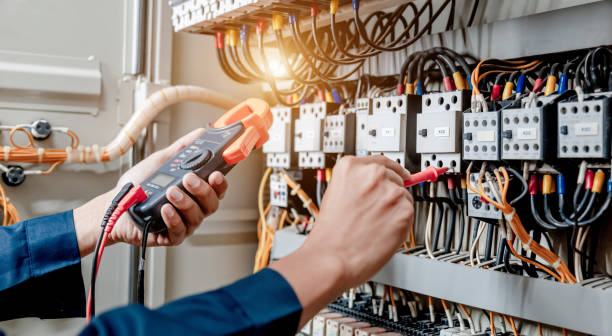
When hiring a professional, one should focus on credentials such as a valid license, relevant certifications, proven history, insurance coverage, and favorable testimonials. These factors guarantee professionalism, safety, and reliability in all wiring projects.
How Often Should I Schedule Electrical Inspections for My Property?
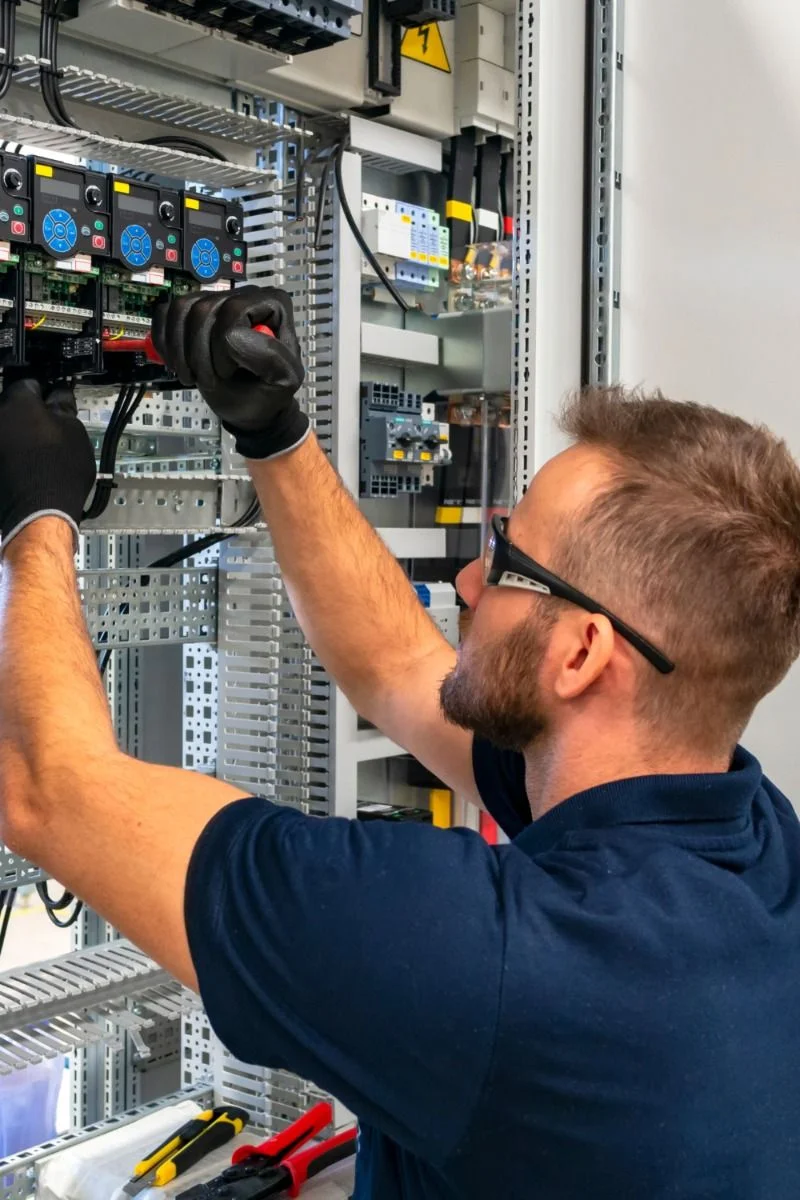
Inspections of the electrical system are recommended every three to five years for residential properties, while commercial spaces may require yearly reviews. This guarantees compliance with safety standards, identification of possible dangers, and maintenance of electrical systems.
What Indicates Faulty Electrical Wiring?
Symptoms of bad electrical systems include frequent tripped circuit breakers, flickering lights, unusual odors, frayed wires, and discolored outlets. These indicators often signal possible dangers, requiring prompt examination by a qualified electrician for safety.
Is performing electrical work yourself lawful and secure?
Do-it-yourself electrical maintenance are often hazardous and may violate local regulations - Downers Grove Electrician. Without proper knowledge, one might sustain serious injury and potential legal consequences. It's highly recommended to consult a qualified professional for electrical issues to ensure security and adherence to codes
How Do I Effectively Cut Down on My Energy Expenses?

To minimize your monthly energy expense, it is helpful to utilize power-saving devices, make use of intelligent temperature regulators, block air leaks, upgrade to light-emitting diodes, and practice mindful usage habits, all contributing to decreased consumption and lower overall costs.